




SALALAH: Dhofar’s Khareef season is beginning to find its rhythm, with visitors from across Oman and neighbouring Gulf states arriving gradually in Salalah as the governorate enters its most important tourism period of the year.
Vehicles from Kuwait, Saudi Arabia, the United Arab Emirates and Qatar were visible this week in Salalah and around several coastal and tourism areas. Omani visitors, however, continue to form the largest share of early movement, reflecting khareef’s enduring role as a domestic family season as well as a regional summer attraction.
The first days of the season are usually a period of gradual build-up rather than full peak activity. Visitor movement is now beginning to appear around beaches, waterfronts, cafés, accommodation areas and family spaces, while the heavier flow is expected to gather pace through July and August.
Field visitors by the Observer showed early movement around Al Mughsail, Al Dahariz, Al Haffa and other coastal areas, as well as towards mountain viewpoints and natural sites that draw families during the khareef months.
Dhofar’s appeal during the season is not built around a single destination. It is the combination of sea, mountains, mist, wadis, springs, viewpoints and open family spaces that gives the governorate its distinctive place in Gulf tourism.
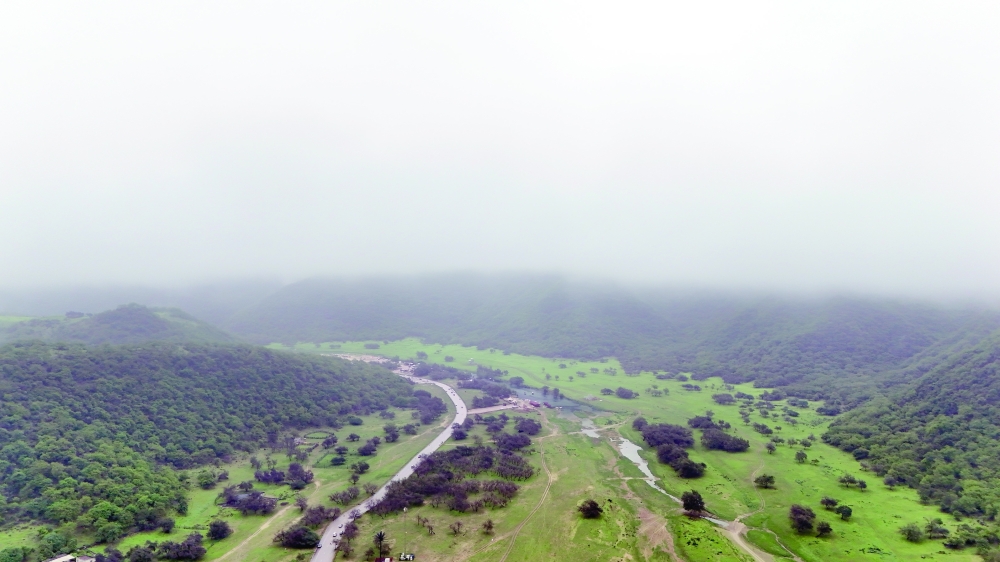
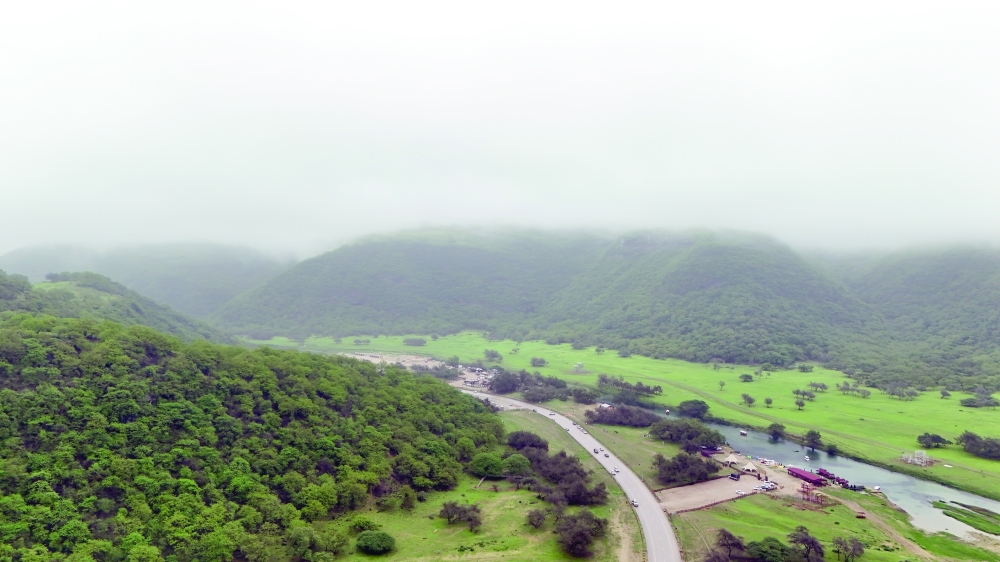
At a time when much of the region faces high summer temperatures, Salalah and its surrounding mountains offer a different climate and landscape. Light drizzle, low clouds, green slopes and coastal scenery have long made Dhofar one of the few summer escapes in the Arabian Peninsula with a natural monsoon identity.
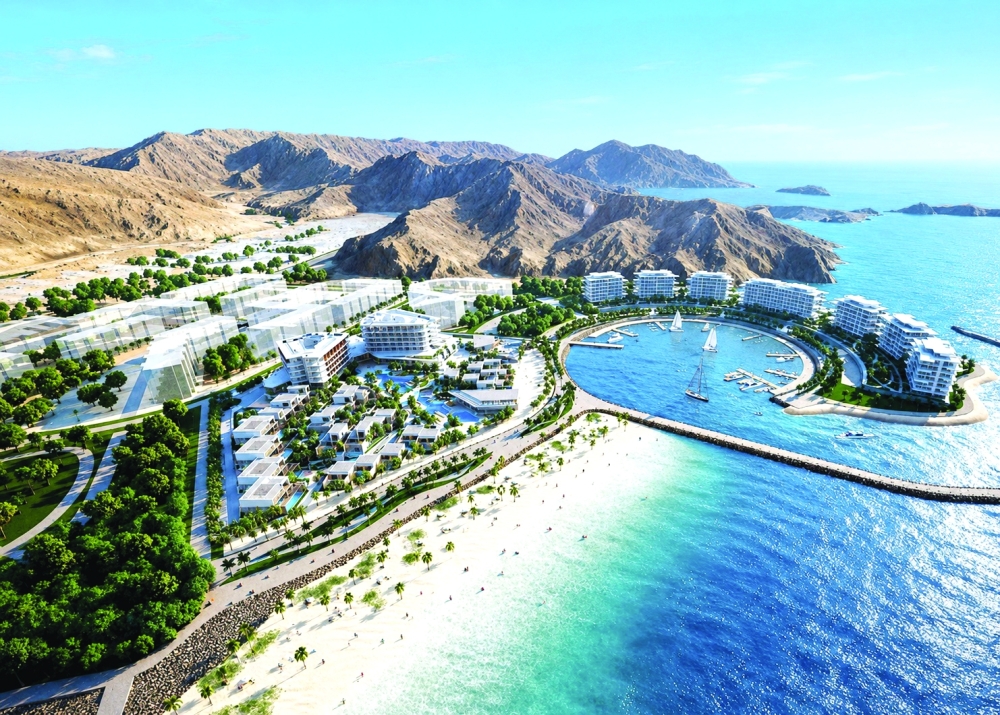
Coastal areas are expected to play a central role in the early weeks of the season. Al Mughsail remains one of the governorate’s most recognisable sites, with its beach, Marneef Cave, natural blowholes and views over the Arabian Sea.
Inside Salalah, Al Dahariz, Al Haffa and Awqad offer a different layer of the visitor experience. These waterfront and beach areas link the city to the sea, providing open spaces for families, evening walks, cafés and informal gatherings.
The growing importance of waterfronts is also changing how visitors experience Salalah. The city is no longer seen only through its mountain routes and natural springs, but also through its seafronts, family spaces, markets and urban attractions.
Mountain and natural sites will gain more attention as the season deepens. Wadi Darbat, Ittin, Ain Razat, Ain Jarziz and other viewpoints and green areas remain central to the khareef image, particularly for visitors seeking mist-covered landscapes and cooler weather.
For many families, khareef is a slow-moving experience rather than a single event. Mornings are often spent near the sea, afternoons in the mountains and evenings in Salalah’s cafés, markets and public areas. This pattern gives the season wider economic value across several sectors.
Local businesses are already preparing for stronger activity. Restaurants, cafés, furnished apartments, hotels, transport providers, tour operators, seasonal vendors and family-run businesses are among the main beneficiaries when visitor movement rises.
A tourism operator in Al Mughsail said visitor activity had started gradually, with stronger movement expected in the coming week as more families arrive from Oman and neighbouring Gulf states. He said many facilities were completing seasonal preparations to receive visitors during the peak period.
For Dhofar’s local economy, the gradual start matters. khareef is not only a weather season; it is a commercial window that supports accommodation, food and beverage activity, transport, retail, entertainment and small tourism services across Salalah and nearby wilayats.
The scale of the season has continued to grow in recent years. Khareef Dhofar attracted more than 1.07 million visitors in 2025, with estimated visitor spending reaching RO 125 million, according to data from the National Centre for Statistics and Information.
This year’s season is also being supported by stronger air connectivity. The Civil Aviation Authority has confirmed operational readiness for Khareef Dhofar 2026, with national carriers increasing capacity on the Muscat–Salalah route during peak periods and additional Gulf links serving Salalah.
The coming weeks will show how far early visitor movement can translate into wider economic activity while maintaining service quality, public safety and the character of Dhofar’s natural sites.
As more visitors arrive, preserving the governorate’s beaches, mountains, springs and public spaces will be essential. Visitors are advised to follow official guidance, avoid unsafe coastal or mountain areas during mist or rain, and help protect the natural environment that gives khareef its value.
Khareef Dhofar runs from June 21 to September 21, drawing visitors from Oman and the wider Gulf to one of the region’s most distinctive seasonal landscapes.
Oman Observer is now on the WhatsApp channel. Click here